


 +1 (888) 202-9852
 A biography writer relies on primary sources such as personal letters, diaries, recorded interviews, photographs, and official records to reconstruct a person’s life accurately. These firsthand materials give the biographer direct evidence of what someone said, did, and experienced, rather than a secondhand retelling.
Quick answer: Biographers gather primary sources directly connected to their subject, including personal letters, diary entries, recorded interviews, birth and marriage records, court documents, photographs, and newspaper coverage from the time period. These materials come from the subject or from people who knew them firsthand. The finished biography itself is generally classified as a secondary source, even though it is built almost entirely from primary evidence.
What Is a Primary Source?
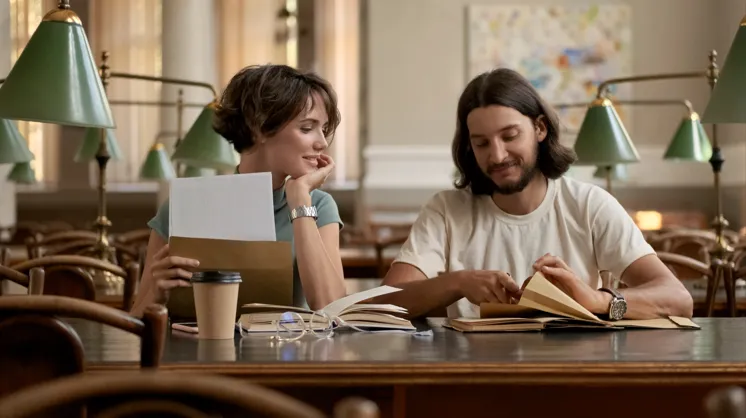
A primary source is firsthand evidence created at the time of an event or by someone with direct knowledge of it. Letters, diaries, speeches, photographs, official records, and interviews all count as primary sources. Once your research is complete, understanding the types of editing helps ensure those sources are presented accurately in the final manuscript: They offer raw, unfiltered evidence rather than someone else’s analysis or retelling, which is exactly why biographers depend on them so heavily.
Is a Biography a Primary Source or a Secondary Source?
This is where a lot of writers and students get tripped up, so it’s worth settling clearly. Is a biography a primary source? In most cases, no. A biography is written by someone other than the subject, based on research into that person’s life, which makes it an interpretation rather than firsthand testimony.
Is a biography a secondary source, then? Generally, yes. The biographer studies primary evidence, letters, diaries, interviews, and official documents, and then organizes that evidence into a narrative. If you’re planning to write a life story yourself, our guide on how to write a book and get it published walks through the process from research to publication. The moment someone other than the subject starts interpreting and shaping the material, the resulting work shifts from primary to secondary.
There’s one common exception worth flagging: autobiographies and memoirs. Because these are written by the subject about their own life, they count as primary sources. A biography and an autobiography can cover identical events, yet be classified completely differently depending on who wrote them.
What Kind of Primary Sources Does a Biography Writer Use?
A professional biography writer typically works with a mix of the following:
- Personal letters and correspondence — direct written communication between the subject and family, friends, or colleagues.
- Diaries and journals — private, contemporaneous records of the subject’s thoughts and daily life.
- Recorded interviews — conversations with the subject, or with people who knew them, conducted specifically for the project.
- Official records — birth, marriage, death, immigration, military, employment, and court records.
- Photographs and audio or video recordings — visual and audio evidence from the period being covered.
- Contemporary newspaper and magazine coverage — articles published at the time of the events described.
- Personal artifacts and belongings — items that provide physical evidence of a life lived, from awards to handwritten notes.
Each of these gives the writer something a secondary source cannot: unfiltered, time-stamped evidence that hasn’t already passed through someone else’s interpretation.
Where Do Biographers Find These Primary Source Materials?
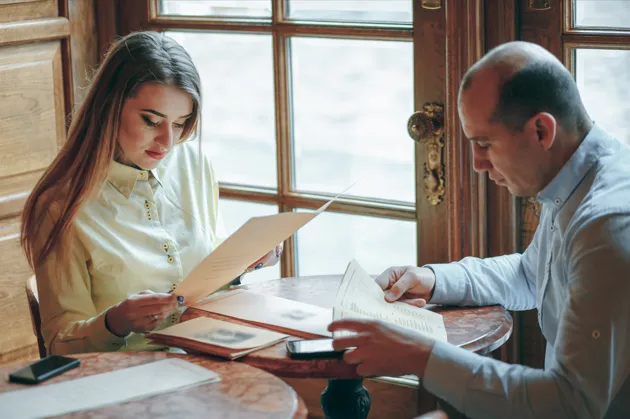
Tracking down primary sources is often the most time-consuming part of writing a biography. It’s also one of the biggest challenges first-time authors face when documenting someone’s life, which is why understanding the common challenges authors face during the book-writing process can help set realistic expectations. Experienced researchers typically start with:
- Family archives and personal collections
- National and state archives
- University special collections and manuscript libraries
- Historical societies and local museums
- Newspaper archives and microfilm records
- Vital records offices for birth, marriage, and death certificates
- Oral history projects and previously recorded interviews
The National Archives and the Library of Congress both offer publicly available guidance on primary source literacy that’s a useful reference point for anyone starting this kind of research from scratch.
How Do Biographers Turn Primary Sources Into a Finished Story?
Gathering the material is only half the job. A skilled biography writer has to verify each source against others, resolve contradictions between accounts, and decide which details serve the narrative without distorting the facts.
The strongest biographies cross-reference multiple primary sources against each other. A date in a letter gets checked against an official record. A memory shared in an interview gets checked against a contemporary newspaper account. This cross-referencing is what separates a well-researched biography from one that simply repeats family stories without verification. A professional book editing process also helps verify consistency, structure, and factual accuracy before publication
When Does a Biography Count as a Primary Source Instead?
There’s a genuine gray area worth understanding. If a biographer personally interviewed their subject before that person passed away, those interview recordings and transcripts become primary source material in their own right, even though the finished biography built from them is still classified as secondary. Future researchers writing about that same subject would treat the biographer’s original interview notes as a primary source, separate from the published book itself.
This distinction matters most for authorized biographies, where the writer had direct access to the subject, versus biographies written entirely after the subject’s death using only existing records and other people’s accounts.

Primary vs. Secondary Sources at a Glance
| Aspect | Primary Source | Secondary Source |
| Created by | Someone with direct, firsthand experience | Someone analyzing or retelling events afterward |
| Timing | During or close to the event | After the event, based on existing material |
| Example in biography writing | Letters, diaries, interviews, official records | The finished biography itself |
| Purpose | Provides raw evidence | Provides interpretation and narrative |
| Autobiography vs. biography | Autobiography (subject writes about themselves) | Biography (someone else writes about the subject) |
FAQs
Is a biography a primary source?
No, a biography is generally not a primary source. Most biographies are secondary sources because the writer analyzes and retells someone else’s life using primary materials like letters, records, and interviews.
Is a biography a secondary source?
Yes, in most cases a biography is a secondary source. The biographer studies primary evidence, then interprets and organizes it into a narrative rather than presenting firsthand experience.
Is an autobiography a primary source?
Yes, an autobiography counts as a primary source because the subject is writing about their own life firsthand. This is the key difference between an autobiography and a biography, which is written by someone else.
What primary sources do biographers use most often?
Biographers rely most heavily on personal letters, diaries, interviews, and official records like birth and marriage certificates. Photographs and contemporary newspaper articles also help confirm dates and details from the period.
Can a biography be both a primary and secondary source?
A biography can blend both if the author personally interviewed the subject before writing. The finished book is still classified as secondary, but the original interview transcripts become primary source material for future researchers. Ready to see how Ghostwriting Squad turns a lifetime of letters, records, and memories into a finished book? or contact our team to discuss your project.